Kona or Hilo: Which Side of the Big Island to Stay On

Kona vs Hilo, where to stay on the Big Island, comes down to geography. Hawaii Island is 4,028 square miles, larger than the other Hawaiian islands combined, and its two main towns sit on opposite coasts with genuinely different weather, drive times, and reasons to choose one over the other. Kona airport records 9.87 inches of rain a year against Hilo's 120.4, and that single gap drives most of what follows: which coast to base on, how far you'll drive to Hawaii Volcanoes National Park, and whether the west-coast experiences that make Kona the usual base are worth the trade-off against Hilo's shorter run to the volcano. This page works through the real numbers so the decision is a real one, not a guess.
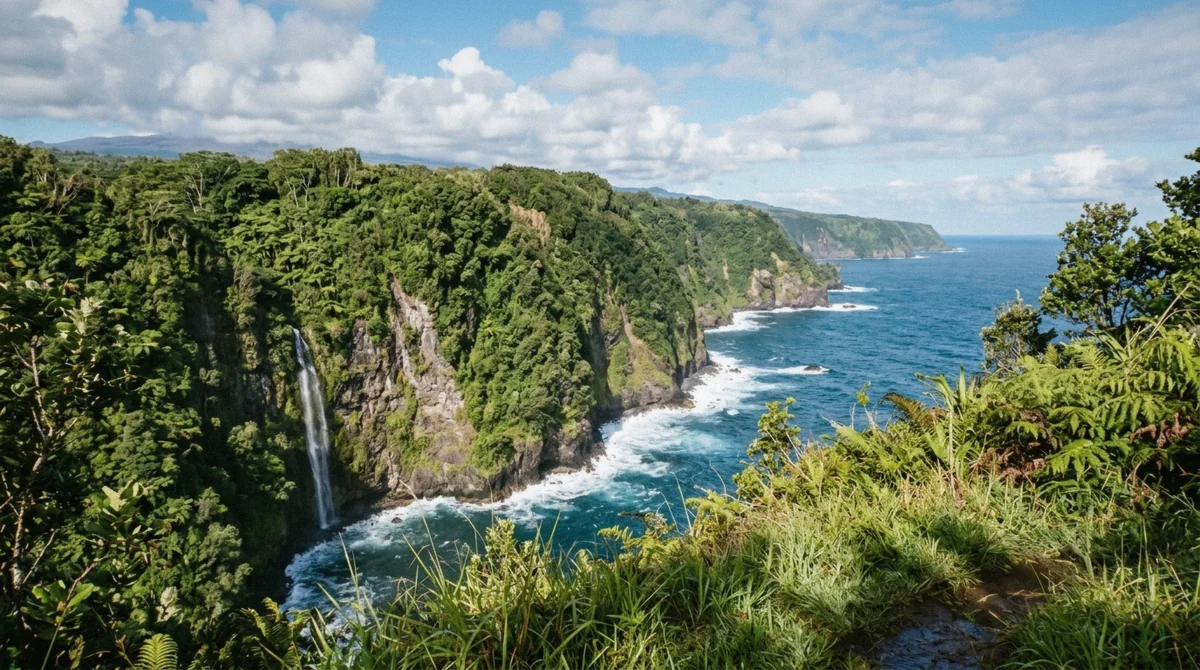
Quick answer
The best base for most first-time visitors is the Kona side, about 15 minutes from Kona International Airport and close to Honokohau Harbor, where most of the island's water tours leave. Kona averages 9.87 inches of rain a year against Hilo's 120.4, and Hilo's real advantage is Hawaii Volcanoes National Park, about 45 minutes away against 2 to 2.5 hours from Kailua-Kona.
Key takeaways
- Kona is the better base for water tours and dry weather, Hilo is the better base for Hawaii Volcanoes National Park
- Kona airport records 9.87 inches of rain a year, Hilo airport records 120.4, a real climate gap, not a coin flip
- The manta ray night adventure leaves from the Kona coast and isn't run out of Hilo
- Driving between the two towns takes about 1.5 hours on Saddle Road, or 2 to 2.5 hours around the south
- A split stay works well on a week or longer trip, several nights on each side rather than a long day-trip drive
Tours on Each Side of the Island
Where a tour actually departs from matters as much as where you sleep. These three show the spread: Kona-only, Hilo-based, and one that crosses both coasts in a single day.
 from $122
Top Rated
from $122
Top Rated Kailua-Kona Manta Ray Night Adventure — Best-Rated on the Big Island
The #1 rated night tour on the Big Island. Watch giant manta rays glide beneath you as they feed on plankton lit by underwater lights — a truly…
- Giant manta rays up close in their natural habitat
- Snorkel option or ride-along (no swimming required)
- Warm shower on board after the snorkel
- GoPro rental available
 from $189
Top Rated
from $189
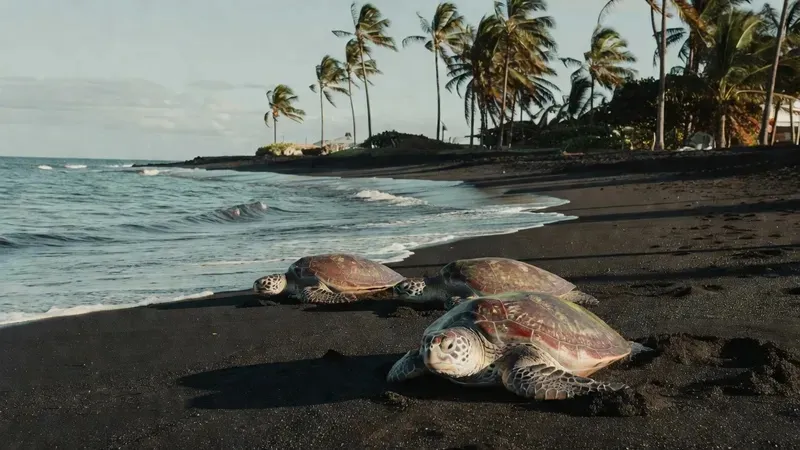
Top Rated Big Island: Volcano, Black Sand Beach & Waterfall Tour with Lunch
A half-day guided adventure showcasing Hawaiian culture, history, and nature — Rainbow Falls, Hawaii Volcanoes National Park, and Punalu'u Black Sand Beach with green sea turtles.
- Rainbow Falls on the Wailuku River in Hilo
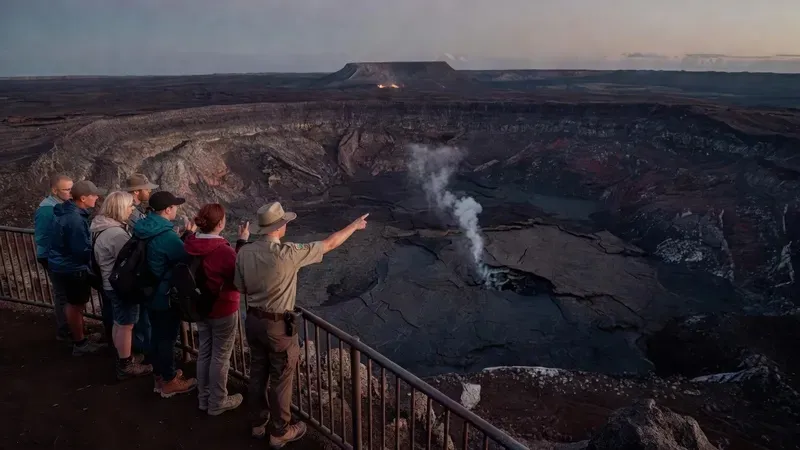
- Hawaii Volcanoes National Park: Kilauea crater, Thurston Lava Tube, steam vents
- Punalu'u Black Sand Beach — green sea turtles frequent the shore
- Island-infused lunch at a local restaurant
 from $276
Top Rated
from $276
Top Rated Big Island: Volcanoes, Waterfalls & Kona Coffee Farm Day-Trip
The most popular Big Island day tour from Kona — explore all 8 climate zones, from Kona coffee country to the smoking craters of Hawaii Volcanoes National Park.
- Kona coffee tasting at Bay View Farm on Mauna Loa slopes
- Akaka Falls and Rainbow Falls in Hilo
- Waipio Valley Lookout (Valley of Kings)
- Hawaii Volcanoes National Park steam vents and crater rim
Which Side to Base On
For a first Big Island trip built around water, snorkeling, or the manta ray night dives, Kona is the default base, and most visitors don't need to second-guess that. It's the dry side of the island, it sits close to Kona International Airport, and Honokohau Harbor, the departure point for most of the boat tours on this site, is a short drive from most Kona hotels. The manta ray night adventure is a Kona-coast tour and isn't run from Hilo at all, which settles the question for anyone whose trip centers on that experience specifically.
The case for Hilo is narrower but real: if Hawaii Volcanoes National Park is the actual reason for the trip, not a day-trip add-on, Hilo cuts the drive to the park roughly in half compared with Kailua-Kona. The rest of this page works through the numbers behind both cases.
The Rainfall Gap Between the Two Coasts
This is the single clearest reason the two coasts feel like different places. NOAA's 1991 to 2020 climate normals put Kona International Airport at 9.87 inches of rain a year and Hilo International Airport at 120.4, over twelve times as much. Both stations sit at sea level near their respective airports; a few months make the gap concrete rather than abstract.
Last verified: August 2026.
| Month | Kona rainfall (in) | Hilo rainfall (in) |
|---|---|---|
| January | 1.35 | 7.86 |
| April | 0.63 | 9.40 |
| August | 0.54 | 11.30 |
| November | 0.83 | 14.39 |
| Annual total | 9.87 | 120.4 |
Temperature tells a smaller story: Kona's warmest normal high is 87.3°F in August, Hilo's is 83.3°F in September, both warm and both fairly narrow across the year. Rainfall, not heat, is the real difference between the two coasts, and it's the reason Kona reads as the sunnier postcard image while Hilo reads as the lush, green side of the island.
Month-by-month normals for the Kona side, and the weeks worth planning around, sit in our best time to visit Kona guide.
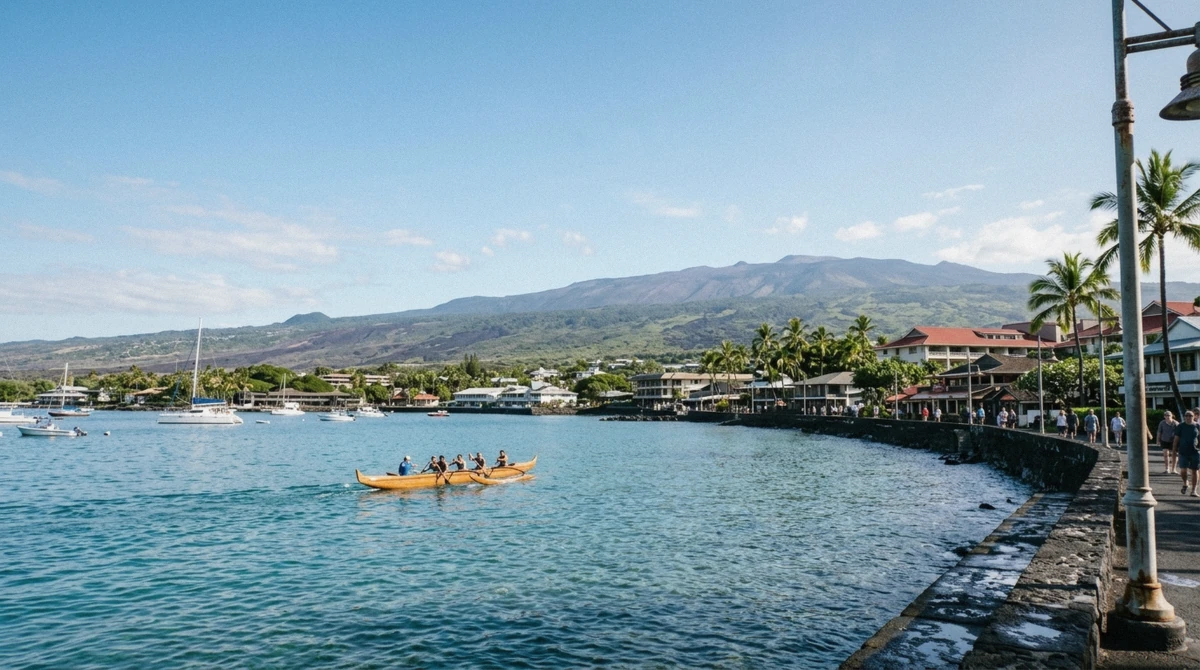
Kona and Hilo Side by Side
Kona, the west coast
- 9.87 inches of rain a year, the dry side of the island
- Honokohau Harbor is the departure point for most water tours, including the manta ray night dives
- About 15 minutes from Kona International Airport
- Kohala Coast resort area sits about 30 minutes north
- 2 to 2.5 hours from Hawaii Volcanoes National Park
Hilo, the windward coast
- 120.4 inches of rain a year, the lush, green side of the island
- About 45 minutes from Hawaii Volcanoes National Park
- Fewer large resort properties, a smaller, more local town feel
- Home base for tours like the volcano, black sand beach and waterfall trip
- Farther from the Kona-side water tours; a manta ray night dive means a drive or a relocation
Verdict Kona wins for most first-time visitors, whose trip centers on the water tours and the dry-weather coastline. Hilo wins when Hawaii Volcanoes National Park is the actual point of the trip rather than a single day-trip add-on.
Where to Sleep on the Kona Side
Two real options on the Kona side, both checkable, neither of which we've stayed at ourselves. Expedia guest scores and rates below as checked on August 1, 2026.
In town on Alii Drive
Royal Kona Resort sits directly on Alii Drive, the walkable strip through downtown Kailua-Kona. Expedia lists it from $212 a night with a guest score of 8.2 out of 10 from 2,971 reviews as of August 1, 2026. Staying in town puts the waterfront, the farmers market, and most restaurants within walking distance, and it's the shorter drive to Honokohau Harbor for a morning or evening boat tour.
Kohala Coast, 30 minutes north
The Kohala Coast resort strip sits about 30 minutes north of Kailua-Kona on Highway 19, with larger beachfront resort properties than downtown offers. This pack doesn't carry a specific verified Kohala Coast hotel, so treat this area as an upscale-resort bucket rather than a priced recommendation, and check current listings directly before booking. Staying here adds roughly half an hour each way to a Honokohau Harbor pickup compared with staying in town.
Holiday Inn Express Hotel & Suites Kailua-Kona
Expedia lists this property from $196 a night with a guest score of 8.6 out of 10 as of August 1, 2026, the higher-scoring of the two Kona hotels we checked. It's a straightforward, budget-leaning option in the Kailua-Kona area rather than a resort stay.
For the tax that applies to any of these, roughly 18 to 19 percent once the 2026 state and county rates are combined, see what a Kona trip actually costs.
Two practical notes on the bill. Kona International Airport sits about 7 miles northwest of downtown Kailua-Kona, roughly 15 minutes, so an in-town hotel is the shorter transfer of the two coasts. And the state lodging tax rose to 11 percent on January 1, 2026 under the green fee legislation, with a county surcharge of up to 3 percent on top and general excise above that, so budget around 18 to 19 percent in tax before any resort fee.
Last verified: August 2026.

When Hilo Is the Better Base
Hawaii Volcanoes National Park sits about 45 minutes from Hilo, against 2 to 2.5 hours from Kailua-Kona on Highway 11. If the park is the trip's main draw, that gap is the whole argument for Hilo: a 45-minute morning drive versus giving up most of a day each way from Kona.
Hilo is also the departure town for tours built around the volcano and waterfall side of the island, like the volcano, black sand beach and waterfall tour, which picks up in the Hilo area only, hotels, Airbnbs, the Port of Hilo for cruise passengers, and the Hilo bus terminal. Anyone booking that tour who's staying in Kona is looking at a long day, or should plan to relocate to Hilo for a night first.
Hilo won't suit a trip centered on the manta ray dives or the other Kona-coast water tours, all of which leave from Honokohau Harbor on the opposite side of the island. Choose Hilo when the volcano is the priority, not as a general-purpose base for the whole trip.
If the volcano is the whole reason you are coming, read the Hilo-side day out on our review of the volcano, black sand beach and waterfall tour, which starts on that coast rather than in Kona.
Splitting the Trip Between Both Coasts
For a week or longer, splitting the stay is a real option rather than a compromise: several nights on the Kona side for the water tours and the dry-weather coastline, then relocate to the Hilo side for the volcano days, rather than commuting 1.5 to 2.5 hours each way from a single base.
One tour bridges both coasts in a single day without requiring a relocation: the Volcanoes, Waterfalls & Kona Coffee Farm day-trip runs 11 hours and covers both the coffee-farm slopes above Kona and the volcano side of the island in one booking, a real middle option if a full relocation doesn't fit the schedule.
A split stay only makes sense if the trip is long enough to absorb the moving day itself, packing up, driving 1.5 to 2.5 hours, and checking into a new hotel eats a half day on its own. On a trip shorter than about five nights, picking one side and day-tripping to the other, as the tour above does, is usually the better use of the time.
How many nights each side deserves depends on the length of the trip, which we work through in how many days you need in Kona. Getting between the two coasts assumes a rental car, and the exceptions are covered in do you need a car in Kona.
Booking a split stay without losing a day
The order you book things in matters more than the hotels you pick.
- Take the Kona nights first, so the manta trip has a spare evening if the ocean shuts it down
- Move over Saddle Road in daylight, since the crossing is about 1.5 hours and unlit for most of it
- Put the Hilo nights either side of the volcano day rather than driving back the same evening
- Check the USGS Hawaiian Volcano Observatory status page before you commit the Hilo nights
- Pack the rain shell in the Hilo bag, not the Kona one
- Count the state and county lodging tax, about 18 to 19 percent in 2026, when you compare rates on the two coasts
Driving Between the Two Sides
Two real routes connect Kona and Hilo, and the choice between them is mostly about time versus scenery. Last verified: August 2026.
| Route | Distance feel | Typical drive time |
|---|---|---|
| Kailua-Kona to Hilo via Saddle Road (Highway 190/200) | Direct, crosses the island's interior | About 1.5 hours |
| Kailua-Kona to Hilo via Highway 11 (south route) | Longer, passes through the coffee belt and Punaluu | About 2 to 2.5 hours |
| Kailua-Kona to Kohala Coast resorts | Short coastal drive north | About 30 minutes |
| Hilo to Hawaii Volcanoes National Park | Short, direct | About 45 minutes |
| Kailua-Kona to Hawaii Volcanoes National Park | Long, via Highway 11 | About 2 to 2.5 hours |
Saddle Road is the faster of the two Kona-Hilo routes and the one most rental companies allow without restriction, though it climbs through open, exposed terrain between the two mountains, so check conditions before a night drive. The south route via Highway 11 takes longer but passes through the coffee belt and Punaluu, worth it if the drive itself is part of the day rather than just a means of getting there.
Which Side Fits Your Trip
If you want dry weather and easy access to Kona's water tours
stay on the Kona side, in town on Alii Drive or about 30 minutes north on the Kohala Coast.
If Hawaii Volcanoes National Park is the main reason for the trip
base in Hilo, about 45 minutes from the park entrance instead of 2 to 2.5 hours from Kona.
If you have seven nights or more and want both sides
split the stay, several nights in Kona first, then relocate to Hilo for the park days.
If you're only visiting for a long weekend
pick one side, usually Kona, rather than losing a half day to the drive between coasts.
If the manta ray night dive is the trip's centerpiece
book Kona; that tour leaves from Honokohau Harbor and isn't run from Hilo.
Once you strip away the marketing language both towns use, the decision comes down to two real numbers: 9.87 inches of rain a year against 120.4, and 45 minutes to the park against 2 to 2.5 hours. Everything else, resort style, town size, restaurant variety, is secondary to which of those two facts matters more for your specific trip.
We'd take Kona over Hilo for a first Big Island trip, and the reasoning holds up against everything above: the dry weather makes outdoor days more predictable, Honokohau Harbor puts the water tours a short drive away rather than a relocation, and the volcano is still reachable as a long day trip or, better, as part of an 11-hour tour that already handles the crossing for you.
Frequently Asked Questions
Should you stay in Kona or Hilo on the Big Island?
Kona for most first-time visitors, especially anyone booking water tours like the manta ray night adventure. Hilo makes sense when Hawaii Volcanoes National Park is the main goal, since it's about 45 minutes away against 2 to 2.5 hours from Kona.
How much does it rain in Hilo compared to Kona?
Hilo averages 120.4 inches of rain a year against Kona's 9.87, according to NOAA's 1991 to 2020 climate normals, over twelve times as much.
How far is Hilo from Hawaii Volcanoes National Park?
About 45 minutes. From Kailua-Kona, the same drive takes 2 to 2.5 hours via Highway 11, the biggest single reason travelers choose Hilo when the park is the trip's priority.
Is it worth splitting a Big Island trip between Kona and Hilo?
On a week or longer, yes: several nights on each side beats a long day-trip drive. On a shorter trip, picking one side and day-tripping to the other, or booking a tour that crosses both coasts, usually works better than the moving day a split stay requires.
Where should first-time visitors stay on the Big Island?
Kona, either in town on Alii Drive or about 30 minutes north on the Kohala Coast. It's close to the airport, dry most of the year, and near Honokohau Harbor where most water tours depart. See what a Kona trip costs to budget the stay alongside the tours.
How long does it take to drive from Kona to Hilo?
About 1.5 hours via Saddle Road (Highway 190/200), or 2 to 2.5 hours via the southern Highway 11 route through the coffee belt and Punaluu.